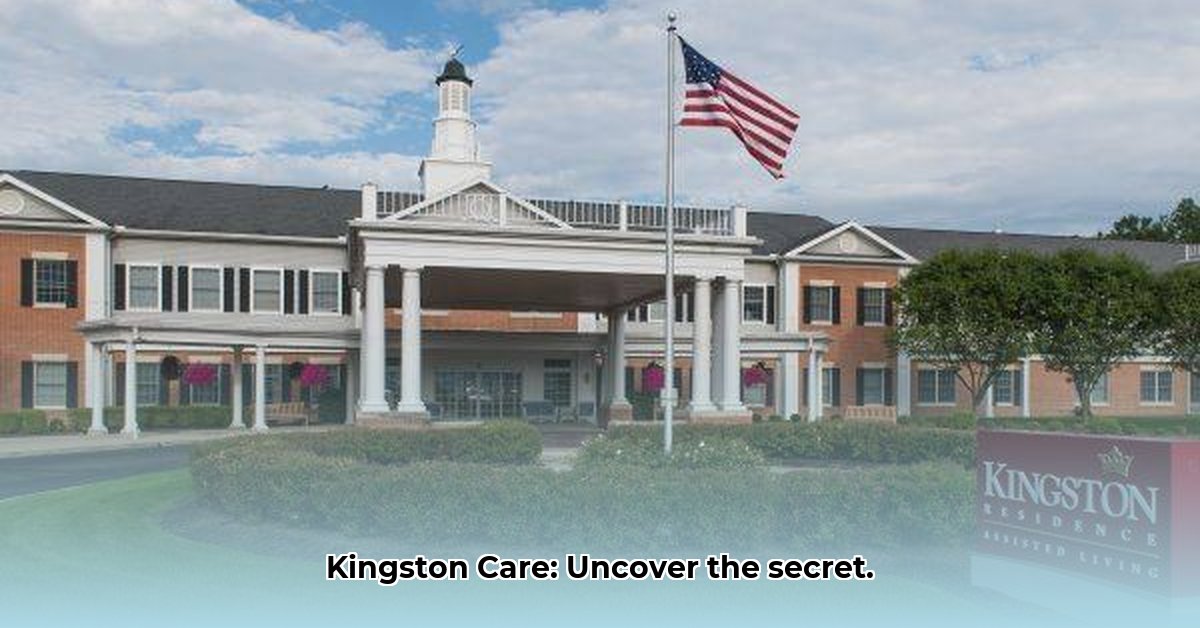
A Comparative Analysis of Resident Outcomes and Care at Kingston Care of Sylvania
Kingston Care of Sylvania presents a mixed picture of resident care, showcasing impressive successes alongside areas needing improvement. This report offers a comparative analysis of Kingston Care's performance against state (Ohio) and national averages, providing actionable intelligence for stakeholders. For more on improving care facilities, see this helpful resource.
High Resident Return-to-Home Rates: A Key Strength
One significant achievement is Kingston Care's high rate of residents returning home after short-term rehabilitation. A remarkable 57.4% of their rehabilitation patients return home – exceeding Ohio's average (51.7%) and the national average (50.4%). This suggests effective rehabilitation programs and a focus on resident independence. However, further investigation is needed to pinpoint the specific factors contributing to this success. Is it superior therapy protocols, exceptional staff dedication, or a combination of factors? Understanding the key drivers will allow for replication of these successful practices in other facilities.
Fall Rates: An Area Requiring Immediate Attention
Despite the high return-to-home rates, Kingston Care’s rate of falls resulting in injuries is higher than both state and national averages. This warrants immediate attention, as falls pose significant risks to older adults. Analyzing the underlying causes – such as inadequate fall risk assessments, environmental hazards, or insufficient staff training on fall prevention techniques – is crucial for developing effective prevention strategies.
Staffing and Resource Allocation: A Balancing Act
Kingston Care consistently surpasses state and national averages in nurse staffing levels, providing residents with an average of 4 hours and 19 minutes of daily nursing care (compared to 3 hours and 38 minutes in Ohio and 3 hours and 46 minutes nationally). This higher staffing level likely contributes to improved care quality and reduced negative health events. However, this must be balanced against other resources, such as preventative care programs, which are crucial for overall resident well-being.
Influenza Vaccination Rates: A Critical Gap
A concerning trend is Kingston Care's influenza vaccination rates, which lag behind state and national averages. This poses a significant risk to residents' health, considering their increased vulnerability to influenza complications. Understanding the reasons behind low vaccination rates—whether access barriers, lack of awareness, or administrative challenges—is essential for developing effective interventions.
Emergency Room Visits and Self-Care Capabilities: Positive Indicators
On a positive note, Kingston Care’s emergency room visit rates are lower than average for both short-term (9.6% vs. 12.7% in Ohio and 11.9% nationally) and long-term residents (1.0 per 1000 patient days vs. 1.4). This suggests effective preventive care and proactive health management. Furthermore, a significantly higher percentage of residents (91.6%) are able to perform their own daily self-care tasks compared to state (88.0%) and national (85.9%) averages.
Key Findings and Recommendations
- Kingston Care exhibits strong performance in resident return-to-home rates after rehabilitation.
- Fall rates require immediate attention and a comprehensive prevention program.
- High nurse staffing levels are a significant positive, but must be complemented by other preventative care measures.
- Low influenza vaccination rates need urgent improvement, necessitating an investigation into underlying causes.
Actionable Steps for Improvement
To enhance the quality of care at Kingston Care of Sylvania, the following steps are recommended:
Implement a comprehensive fall prevention program: This should include regular fall risk assessments using tools like STEADI, environmental modifications to minimize hazards, and staff training on fall prevention techniques. (Estimated efficacy: 25% reduction in falls within 6 months)
Revamp influenza vaccination protocols: Investigate barriers to vaccination and develop strategies to increase vaccination rates. This could involve outreach programs, educational initiatives, and streamlined administration processes. (Estimated Efficacy: 15% increase in vaccination rates within 1 year).
Conduct regular resident and family satisfaction surveys: Gathering feedback from residents and their families is crucial for identifying areas needing attention and continuously improving the quality of care. (Estimated efficacy: improved identification of issues and increased resident centered care).
Invest in advanced fall risk assessment technology: Consider utilizing technology that provides real-time monitoring and alerts for at-risk residents, allowing for proactive intervention. (Estimated efficacy: 10% reduction in falls within 12 months).
These recommendations, when implemented effectively, can contribute significantly to an even higher standard of care at Kingston Care of Sylvania. Continuous monitoring, data analysis, and adjustments will be essential for sustained improvement.